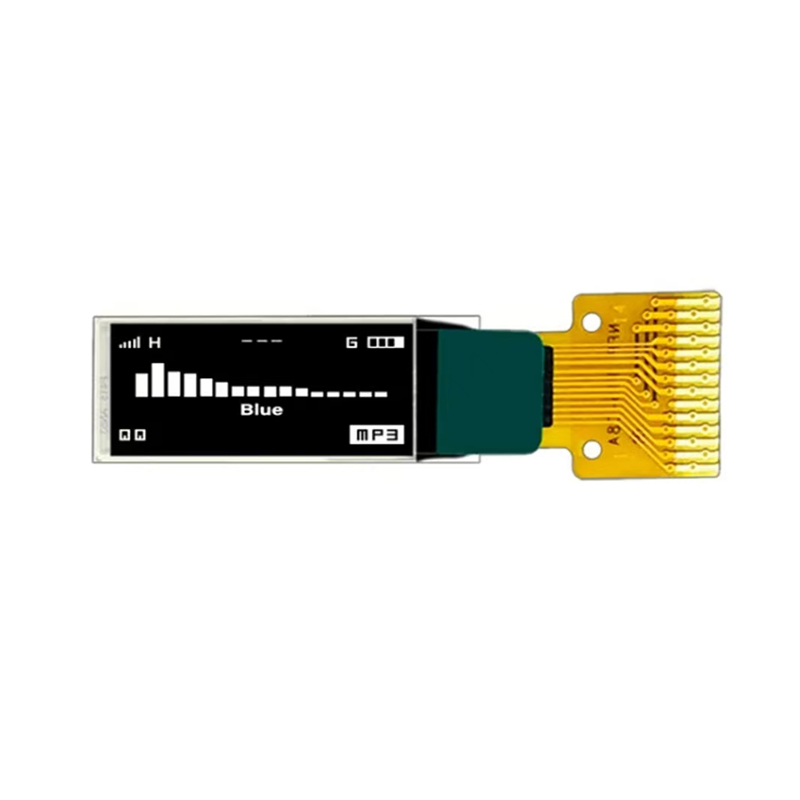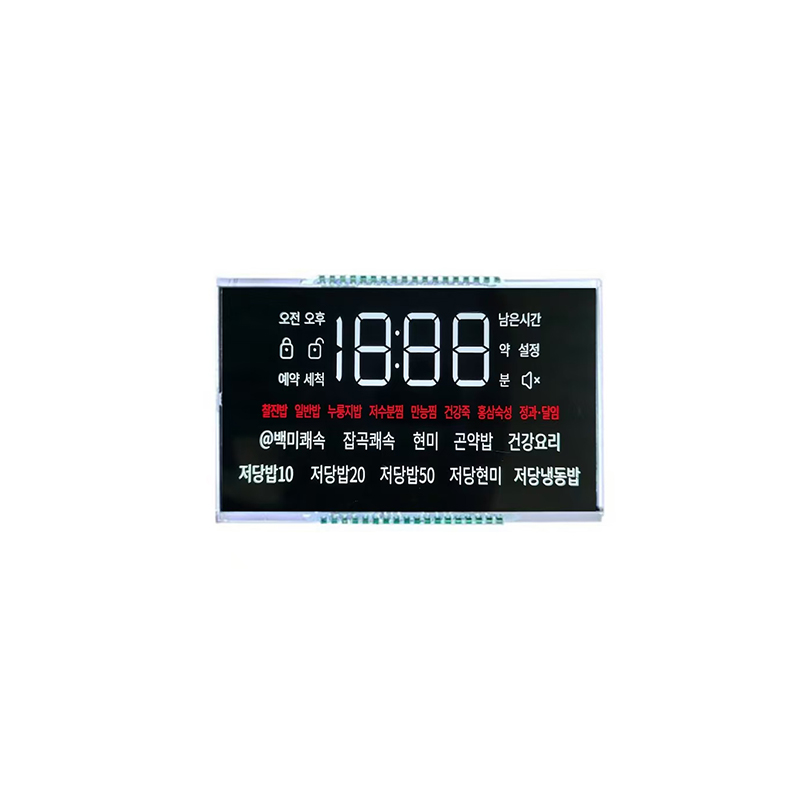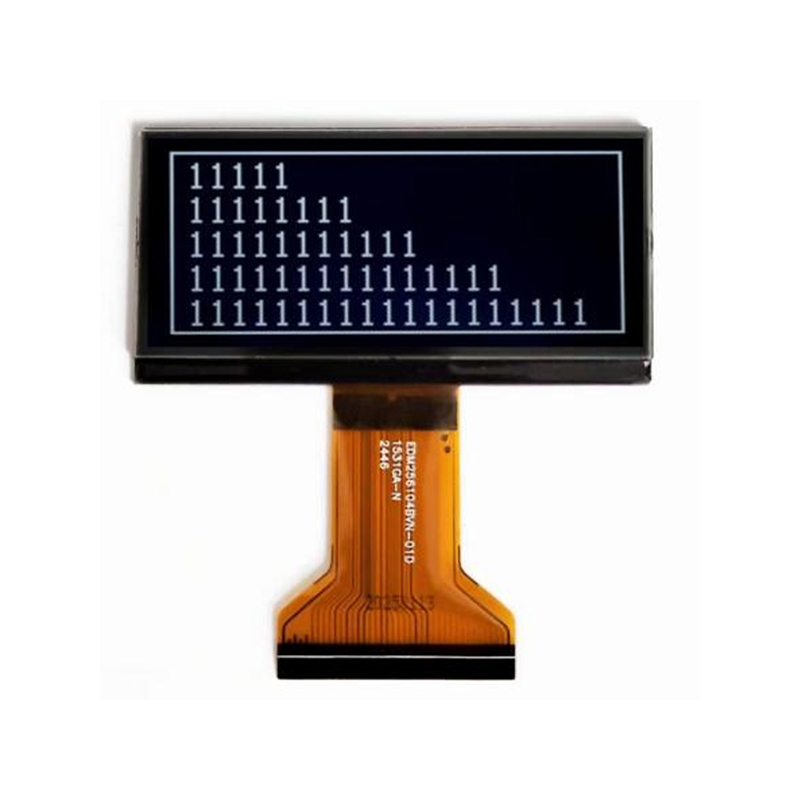
This article provides a comprehensive overview of LTPO AMOLED displays, exploring their technology, benefits, drawbacks, and applications across various devices. We'll examine the differences between LTPO and traditional AMOLED screens, delve into the specifics of their manufacturing process, and showcase examples of their real-world implementation. Learn how this technology enhances energy efficiency and user experience.
LTPO, or Low-Temperature Polycrystalline Oxide, is a type of backplane technology used in AMOLED displays. Unlike traditional AMOLED displays that utilize LTPS (Low-Temperature Polysilicon) backplanes, LTPO AMOLED displays integrate oxide semiconductors, offering significant advantages in terms of power consumption and refresh rate capabilities.
The key advantage of LTPO AMOLED technology lies in its ability to dynamically adjust the refresh rate. This means the display can seamlessly switch between high refresh rates (e.g., 120Hz) for smooth visuals during gaming or scrolling and lower refresh rates (e.g., 1Hz) when displaying static content, resulting in significantly improved battery life. This adaptability is crucial for modern smartphones and other power-sensitive devices.
The manufacturing process of LTPO AMOLED displays is complex and involves several crucial steps. It typically requires specialized equipment and a highly controlled environment. While the specifics are proprietary to manufacturers like Samsung Display and BOE Technology, the general process involves depositing thin films of oxide semiconductors onto a glass substrate, followed by patterning and integration with other display components.
| Feature | LTPO AMOLED | Traditional AMOLED |
|---|---|---|
| Backplane Technology | Low-Temperature Polycrystalline Oxide (LTPO) | Low-Temperature Polysilicon (LTPS) |
| Power Consumption | Lower (especially at lower refresh rates) | Higher |
| Refresh Rate Adaptability | Dynamic adjustment possible | Fixed refresh rate |
| Cost | Higher | Lower |
LTPO AMOLED displays are increasingly common in high-end smartphones, offering a balance of vibrant visuals, smooth performance, and excellent battery life. Manufacturers like Apple and Samsung utilize this technology in their flagship devices.
The power efficiency of LTPO AMOLED makes it ideal for smartwatches, allowing for longer battery life on a single charge, even with always-on displays.
While less prevalent than in smartphones, LTPO AMOLED displays are starting to appear in high-end tablets, providing a superior visual experience compared to traditional LCD or IPS panels. The superior power efficiency is also a welcome benefit for longer usage.
As the technology matures and production costs decrease, we can expect to see wider adoption of LTPO AMOLED displays across a broader range of devices. Further innovations in material science and manufacturing processes will likely lead to even more efficient and cost-effective displays in the future. For advanced display solutions, consider contacting Dalian Eastern Display Co., Ltd. for your needs. They offer a wide variety of display options, including high-quality AMOLED displays.
1 Data on manufacturing processes and cost comparisons are based on publicly available information and industry reports. Specific details may vary depending on the manufacturer and display specifications.