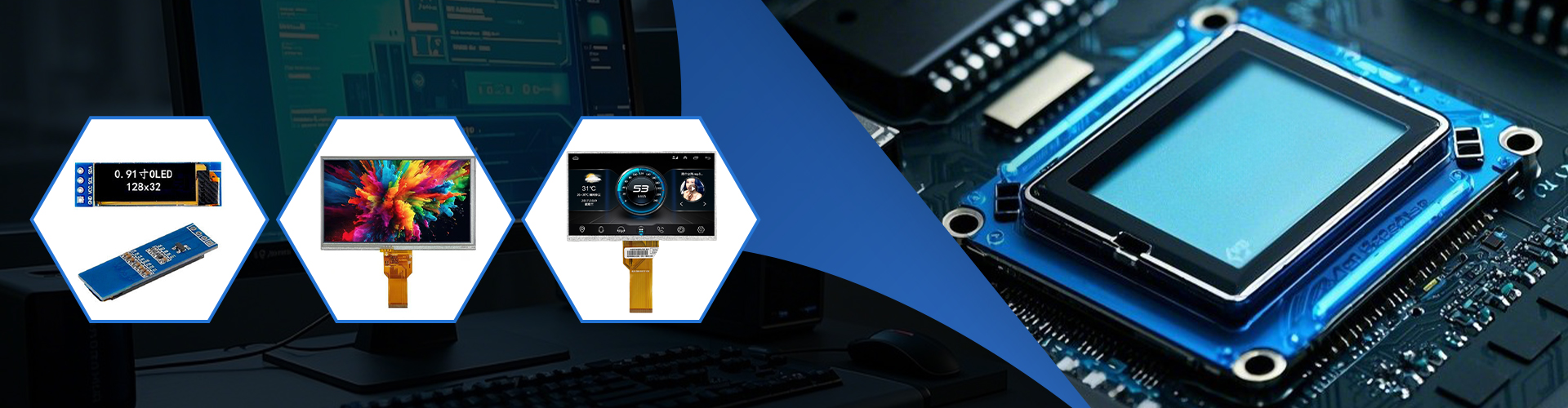
This comprehensive guide explores the intricacies of 1602 LCDs operating at 3.3V, covering their functionality, applications, and common challenges. We'll delve into the technical specifications, provide practical examples, and offer troubleshooting tips for seamless integration into your projects. Learn how to effectively utilize this popular display technology.
A 1602 LCD (Liquid Crystal Display) is a ubiquitous character-based display module commonly used in various embedded systems and electronic projects. The 1602 refers to its dimensions: 16 characters wide and 2 lines high. These displays offer a cost-effective and readily available solution for presenting textual information. Many 1602 LCDs operate on a 5V power supply; however, this guide focuses specifically on those utilizing a 3.3V exit, which is increasingly common in low-power applications.
While specific parameters might vary slightly between manufacturers, a typical 1602 LCD with a 3.3V exit will share these key characteristics:
Connecting a 1602 LCD to a microcontroller like an Arduino or Raspberry Pi involves careful wiring. The specific pin assignments will depend on your microcontroller and LCD model. Refer to the datasheet of your 1602 LCD and microcontroller for precise pin mappings. A critical aspect is ensuring the proper voltage level compatibility. Many microcontrollers operate at 5V, while the 1602 LCD uses 3.3V; hence, a voltage level shifter might be necessary to prevent damage to the display.
In scenarios where your microcontroller outputs 5V, integrating a level shifter is crucial. This circuit component converts the 5V signals from the microcontroller to the compatible 3.3V signals required by the 1602 LCD with a 3.3V exit.
Here's a table summarizing some common problems and their potential solutions:
| Problem | Solution |
|---|---|
| Blank Display | Check power supply, connections, and contrast adjustment. |
| Garbled Characters | Verify correct wiring and data transmission. Check for timing issues. |
| Faulty Backlight | Inspect backlight connection and LED. |
For high-quality 1602 LCDs and other display solutions, consider exploring the extensive selection offered by Dalian Eastern Display Co., Ltd. They provide a wide range of options to suit diverse project needs.
Remember to always consult the datasheets for your specific 1602 LCD and microcontroller models for detailed information and precise pin configurations. Successful integration of a 1602 LCD with 3.3V exit requires careful planning and attention to detail.